
The Shape of Bread
Baked goods from Kostroma

Good morning! Before dashing off to campus today, I wanted to share some lovely drawings of baked goods I found in an old Soviet journal from 1927.
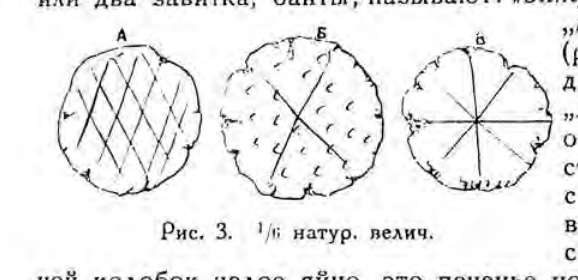
In this article by the ethnographer L. Kititsyna, focused on the Kostroma region, one is reminded just how varied the peasant diet used to be (contrary to popular belief), even after the Russian Civil War in the 1920s. Bread flour might be a mix of rye, buckwheat, and pea flour, with potato added for moisture. It could be fully sour, half-sour, or unleavened — and then the sourdough could be of two kinds: leftovers from the previous batch of dough, or a dash of kvass (bread beer).
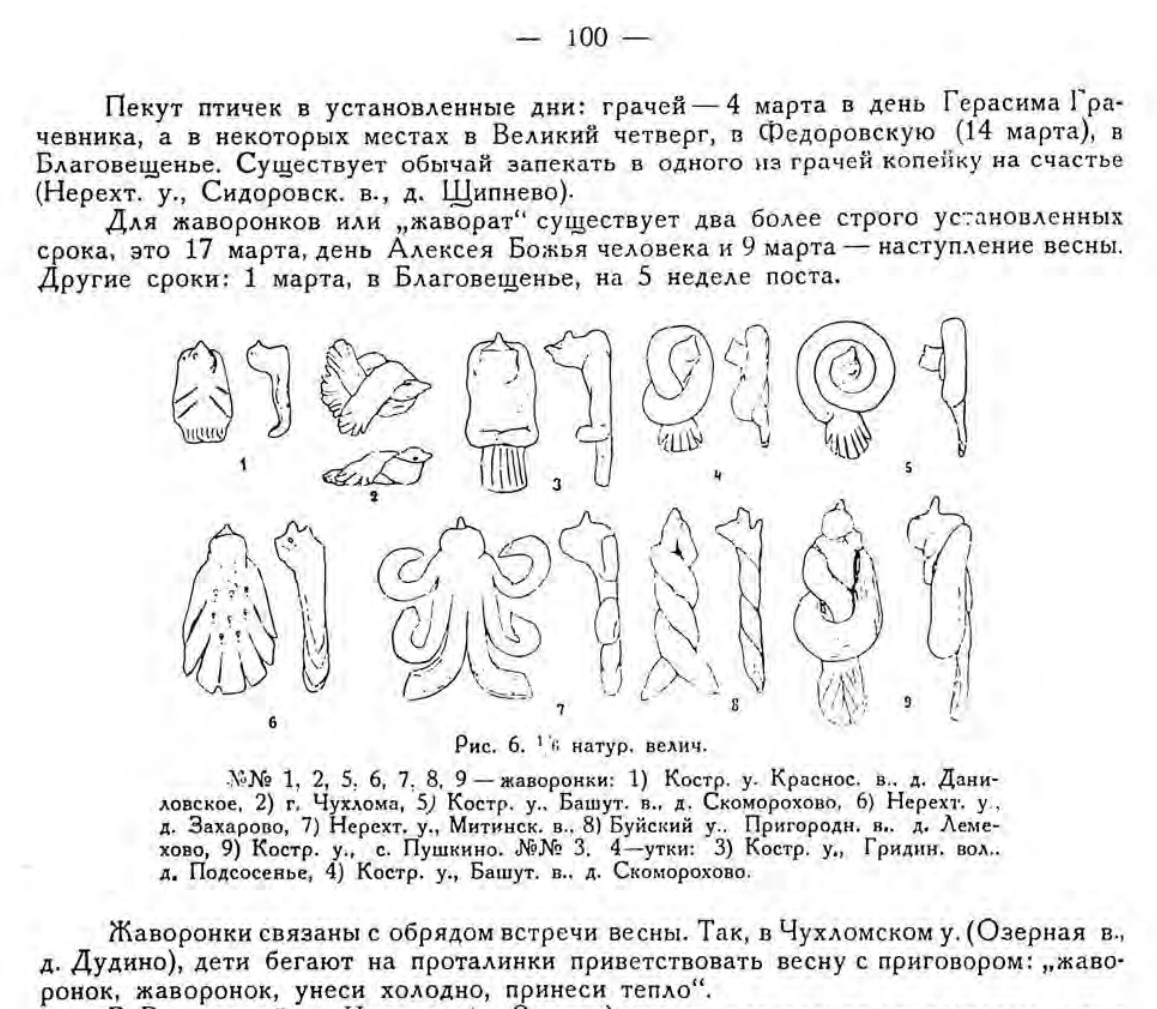
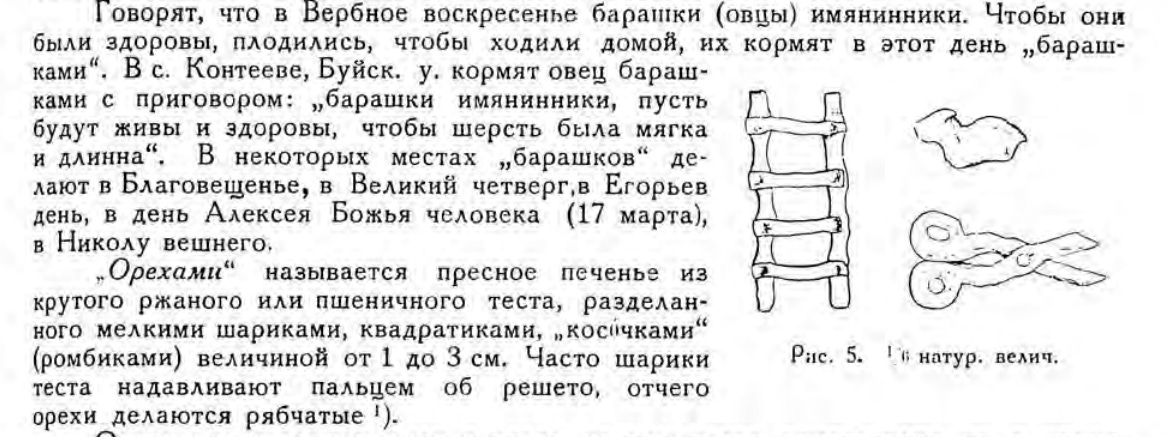
Special holidays saw special shapes of cookies, of course. Above — the larks baked for the arrival of spring. Below, shapes made for Palm Sunday, including a little sheep. According to custom, sheep celebrated their “namesdays” on Palm Sunday every year.
The numerous peasant pies were filled with flavors almost exotic: half a dozen kinds of northern berries (including the bright orange mountain ash), smelt and other fishes, dried mushrooms, turnips, cottage cheese.
Olad’i, a type of pancake, was something that peasants in Kostroma liked to dip, and the flavors again might be surprising: lamb fat, frozen milk whipped in a churn into something like whipped cream, or honey.
My point is not that this all sounds appetizing, although it doubtless was (yes, even the lamb fat!), but that the common idea of the bland peasant diet of daily porridge is probably wrong, and that in some ways their diet was more diverse than ours, both in terms of form (a different shape of pie and cake for every holiday!) and content (is there any supermarket in America where a person can buy Mountain Ash berries?).
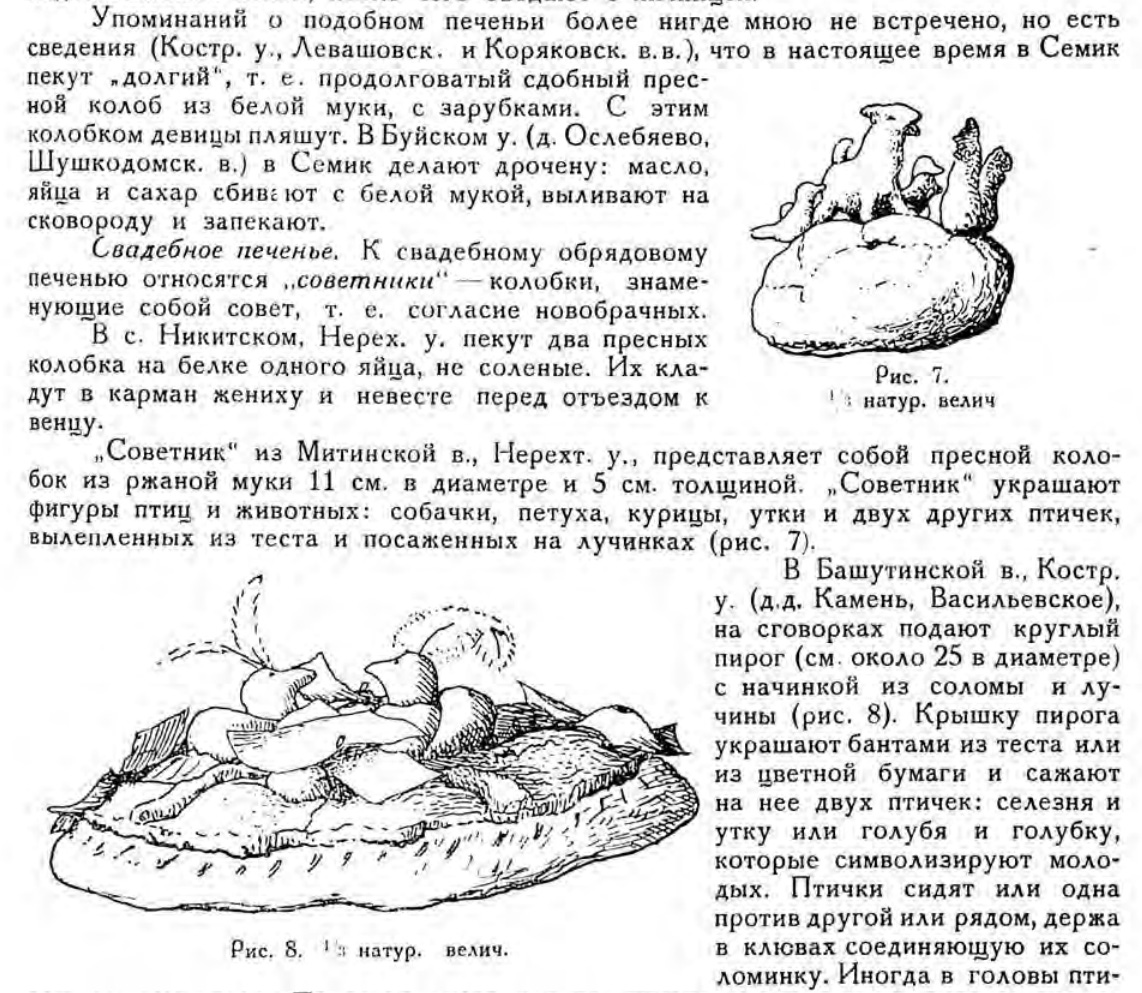
And of course, the most beautiful of all are the wedding cakes.
If you’d like to read the whole article in Russian, you can find it here.
Fig. 7 has a particularly interesting shape.